
When selecting flooring for a chemical industry facility, special attention must be paid, as it is exposed to all types of loads and impacts: chemical agents and substances, heavy mechanical and dynamic loads, temperature fluctuations, and other destructive factors.
The main purpose of flooring systems in chemical plants is to protect surfaces from aggressive exposure to concentrated acids, alkalis, and solvents, as well as to ensure long-term floor durability.
Key characteristics of flooring systems for the chemical industry
To withstand harsh operating conditions, chemical industry flooring must have the following properties:
- high resistance to aggressive chemical substances of various types
- resistance to high temperatures, thermal shocks, and exposure to very hot liquids
- high mechanical, impact, and abrasion resistance
- hygienic, seamless surface preventing bacteria and mold growth and enabling easy cleaning
- fire safety, the surface must not spread flames or ignite easily
- long service life, typically exceeding 15 years
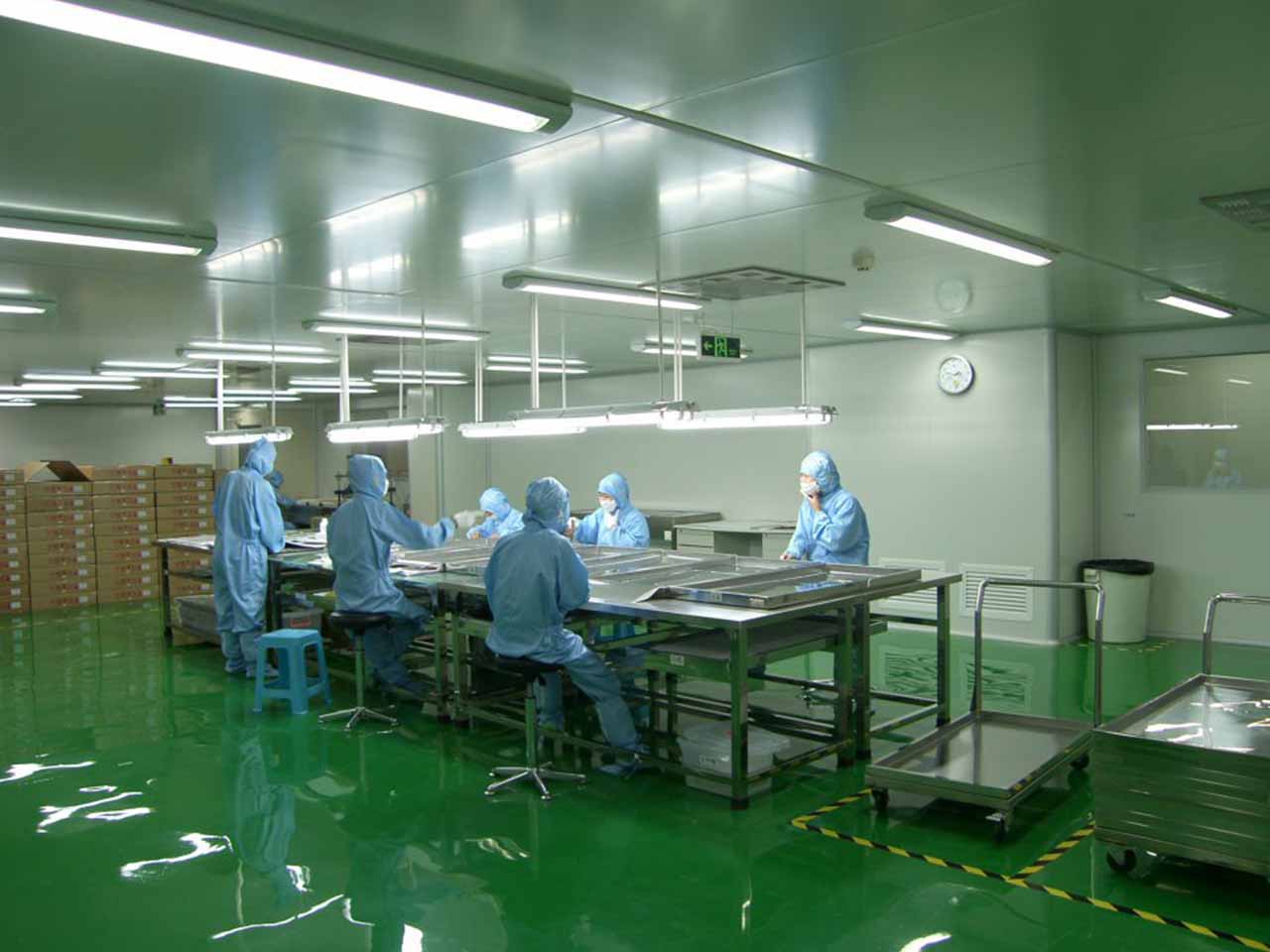
Types of flooring for chemical production
The most commonly used flooring solutions in the chemical industry are polyurethane-cement and epoxy resin flooring systems. These types of industrial resin floors meet all requirements and withstand extreme operating conditions.
Polyurethane-cement flooring
Polyurethane-cement flooring is an industrial resin system based on polyurethane resin, special fillers, and quartz sand. Key properties include high thermal and chemical resistance. These systems also withstand heavy mechanical loads, are non-combustible, and comply with hygiene standards.
For the chemical industry, experts from «PFG» recommend the Flowfresh MF system.
Epoxy flooring
This type of resin flooring system is characterized by high resistance to aggressive chemical substances, enhanced resistance to heavy mechanical and impact loads, and a long service life. For chemical facilities, experts recommend the Peran STB Compact epoxy system.
Where chemically resistant floors are used
Chemically resistant flooring is most commonly used in the following types of facilities:
- pharmaceutical manufacturing
- petrochemical industry
- food industry (meat, dairy and fish processing, breweries, wineries)
- perfume and chemical production
- medical facilities
- specialized warehouses for storing chemicals and reagents
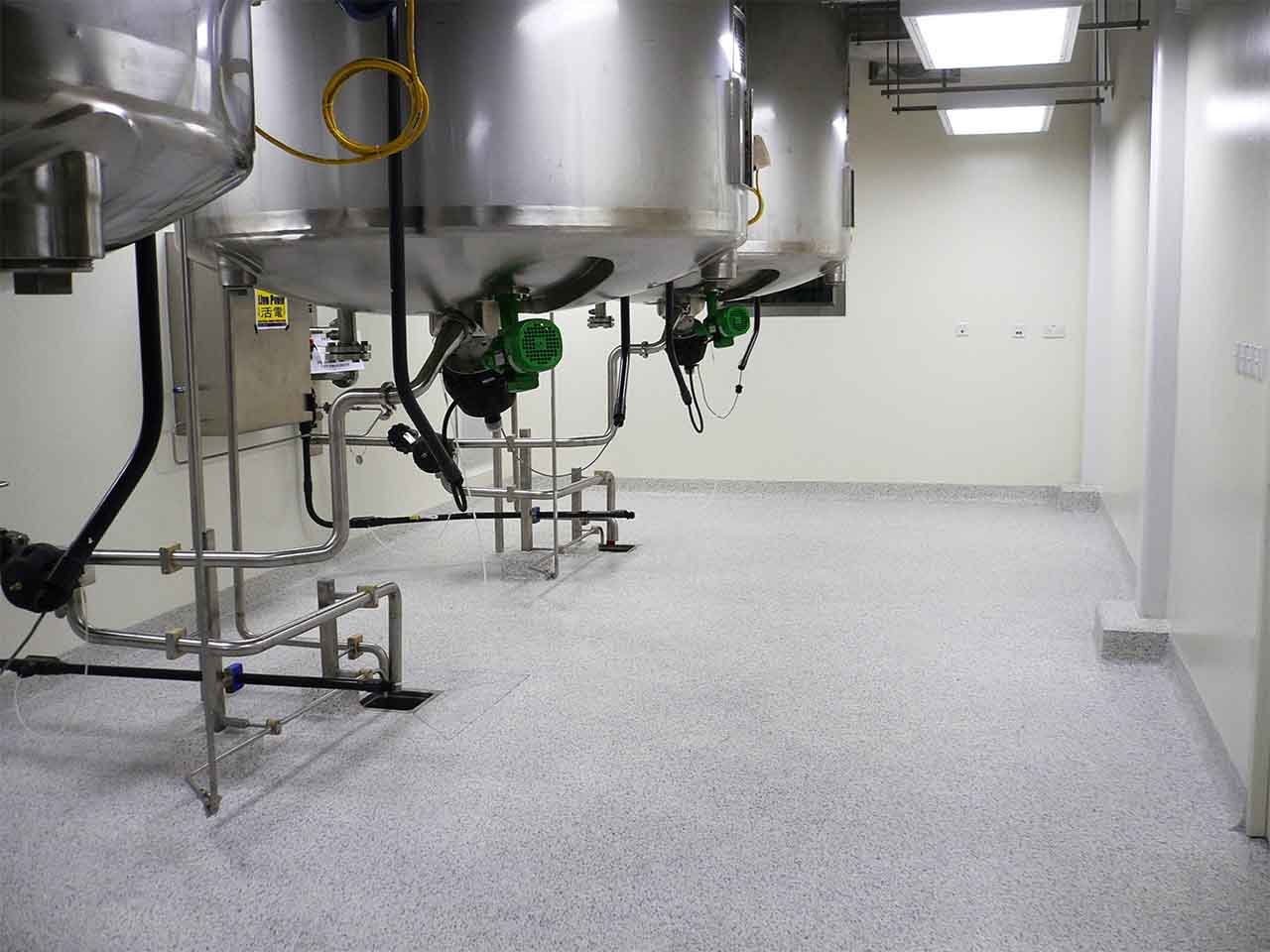
Floor installation technology
Installation of any type of industrial resin flooring must be carried out in accordance with all technologies, standards, and regulations. Flooring installation should only be performed by experienced professionals. It is recommended to contact specialists from «PFG».
Floor installation consists of three stages: preparation of the concrete substrate, application of the final resin layer, and finishing treatment.
Turnkey installation of flooring for the chemical industry can be ordered via a callback request form or by phone. The cost depends on several factors, such as area size, type of facility, material used, location of the site, and other important parameters.